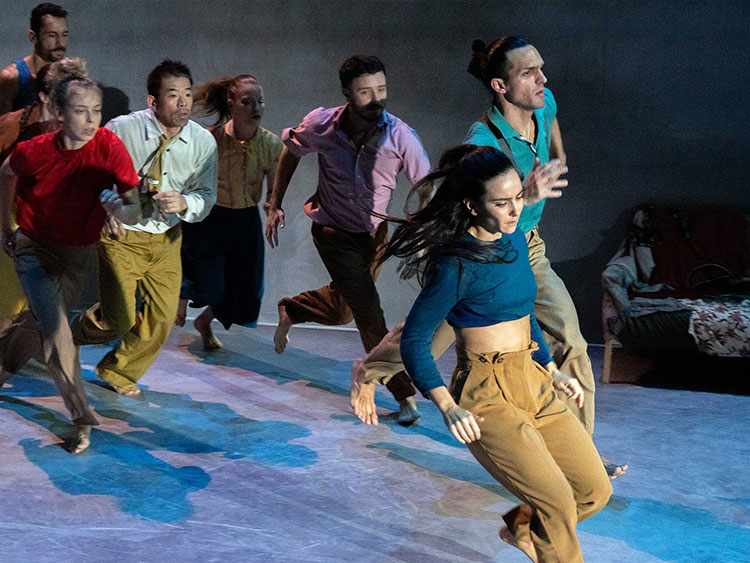
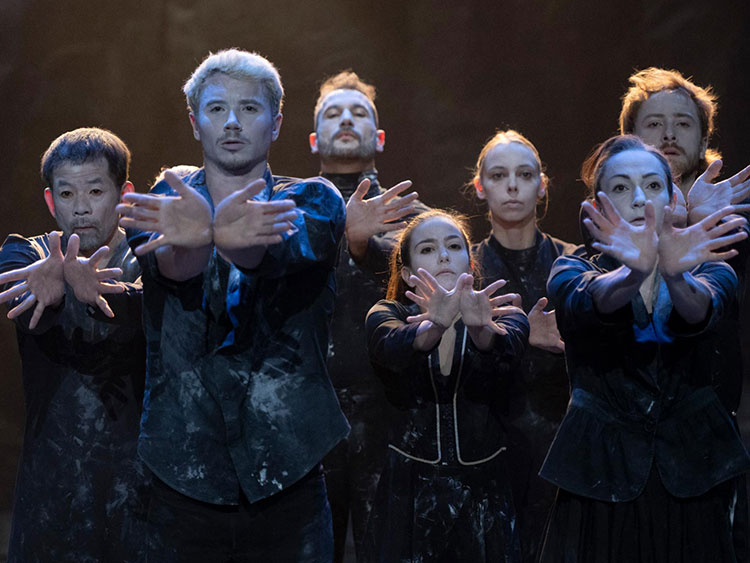
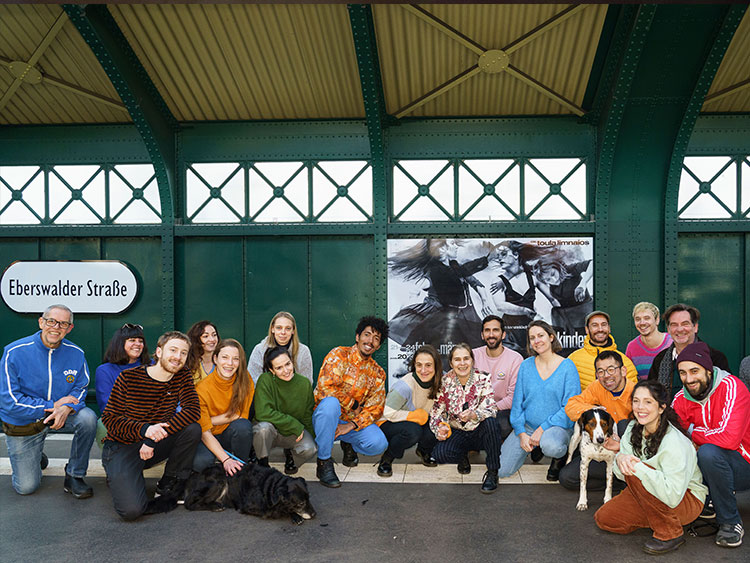
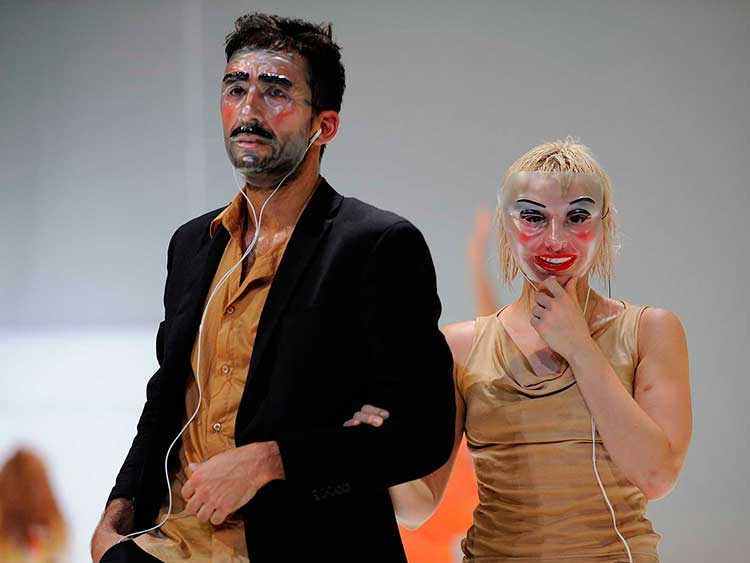
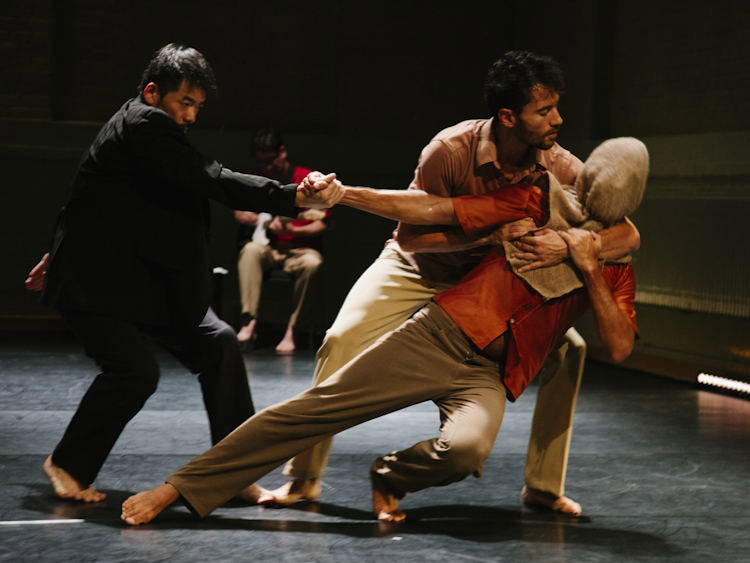
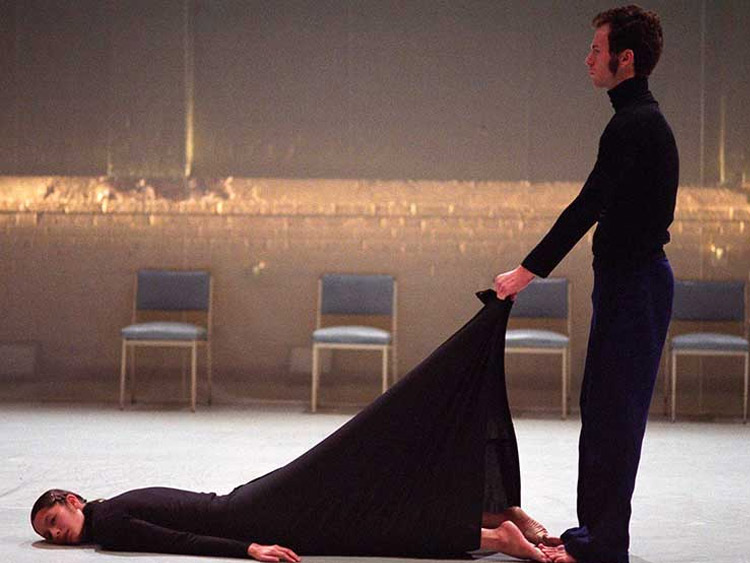
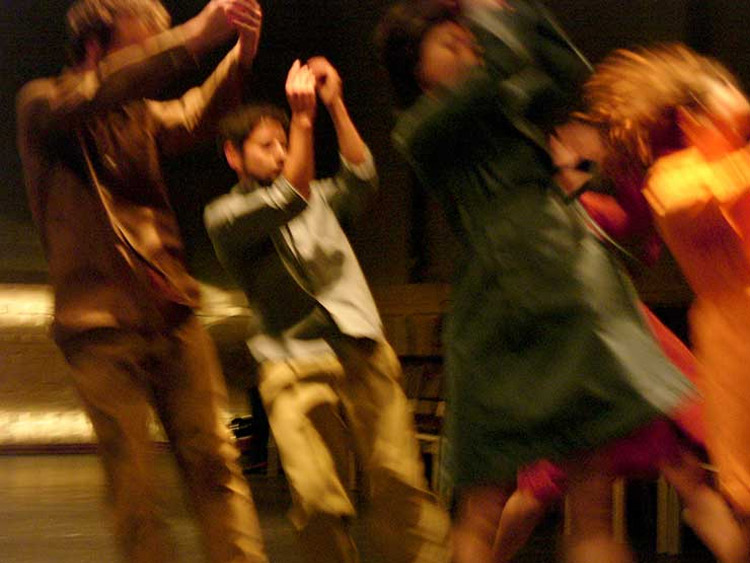
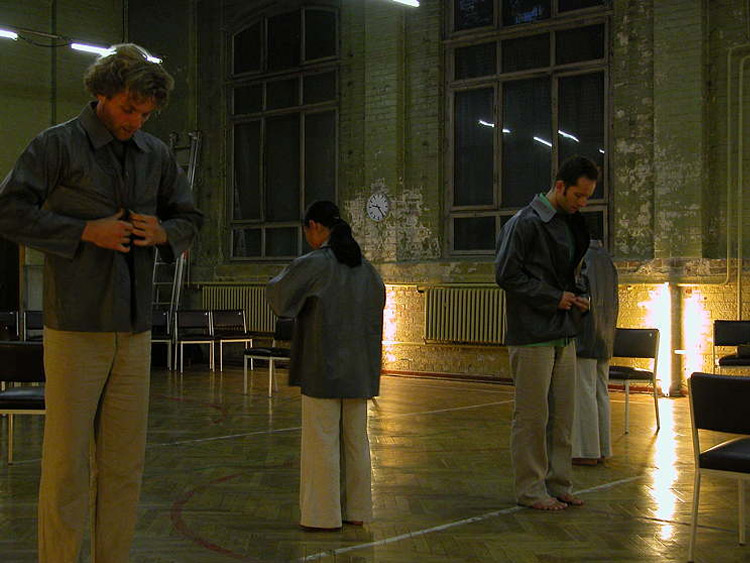
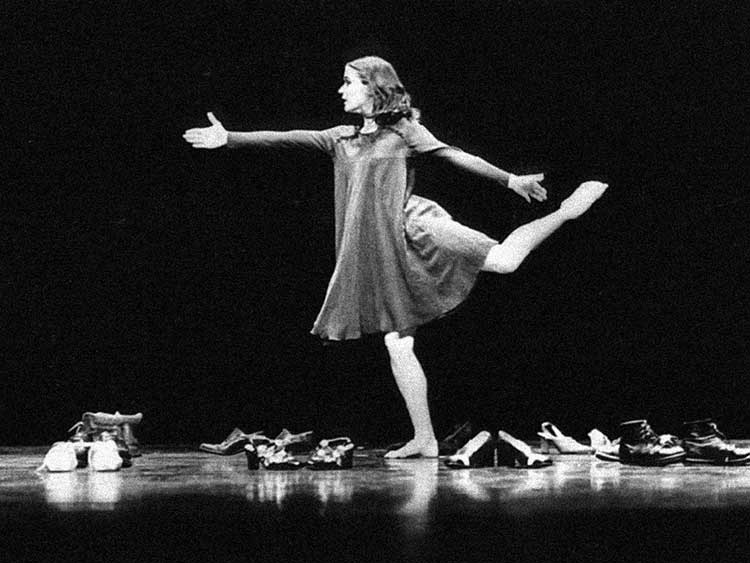
»die einen, die anderen« (»the ones, the others«) is an international cooperation by the cie. toula limnaios with the cia. gira dança. the piece, developed in both brazil and berlin, is a reflection on body images inspired by foucault’s radio essays »the utopian body«/»the heterotopias«. every human being has and will have a body, but the picture that we make of it changes with the times, in which we live. our bodies are our points of departure as we journey into the world and they connect us to it.
at the same time, the body is a site of longing, of desire and of phantasy, but also a source of the utopian, which mirrors the body’s relentless reality and transience.
in »die einen, die anderen« (»the ones, the others«), fourteen people encounter ways in which the body can be experienced, not only as a social and economic product of ideals and norms – in which the body is dealt with as a commodity or emulates ideals, thus subjugating it to maximizing efficiency – but rather as a form of appreciating its uniqueness and individuality – countering self-estrangement with humanity, passion, levity, poetry and love.
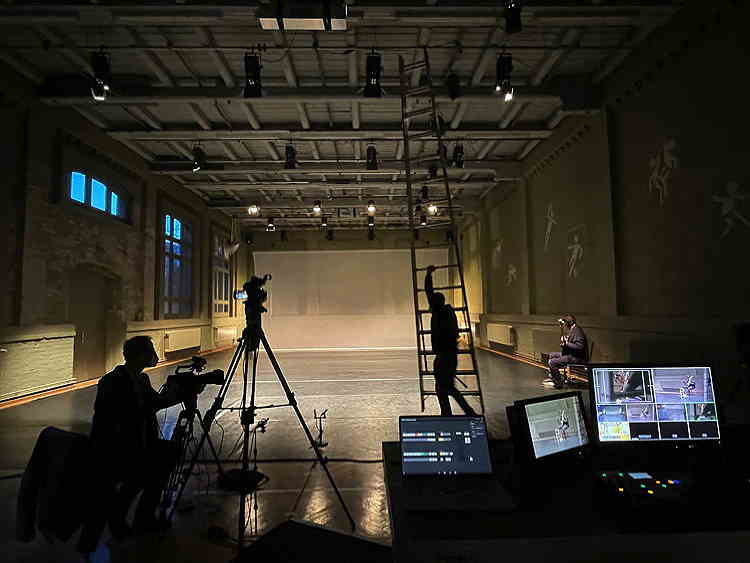
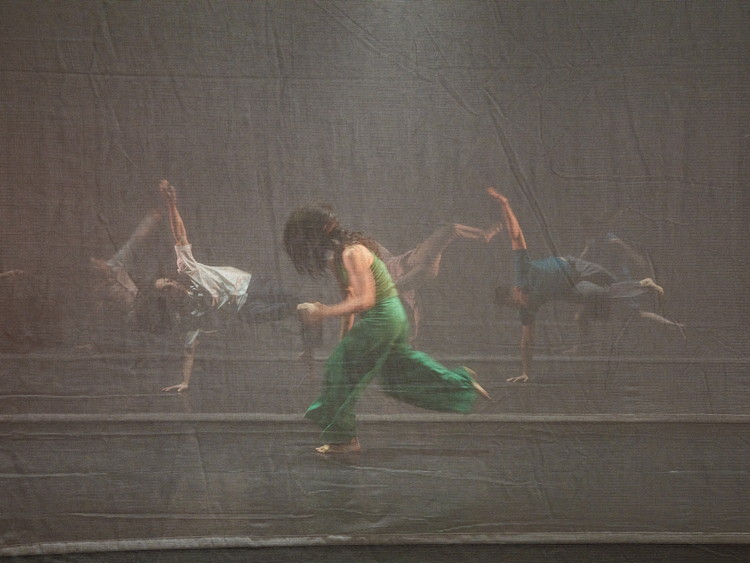
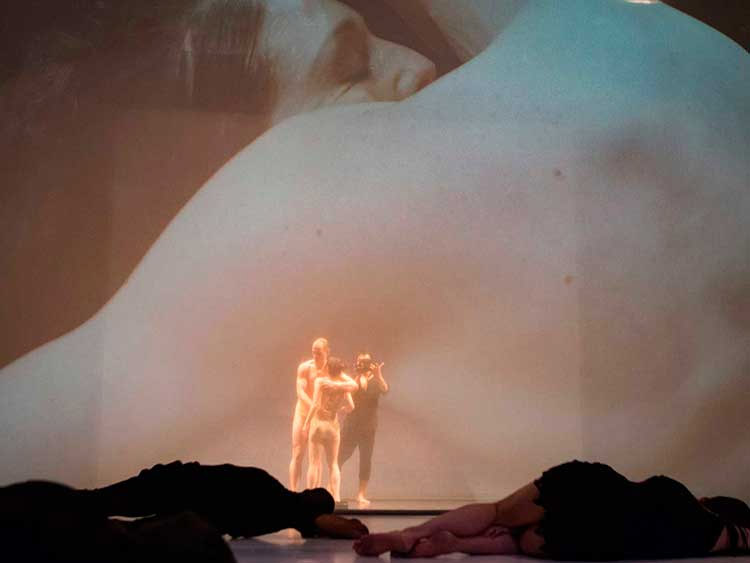
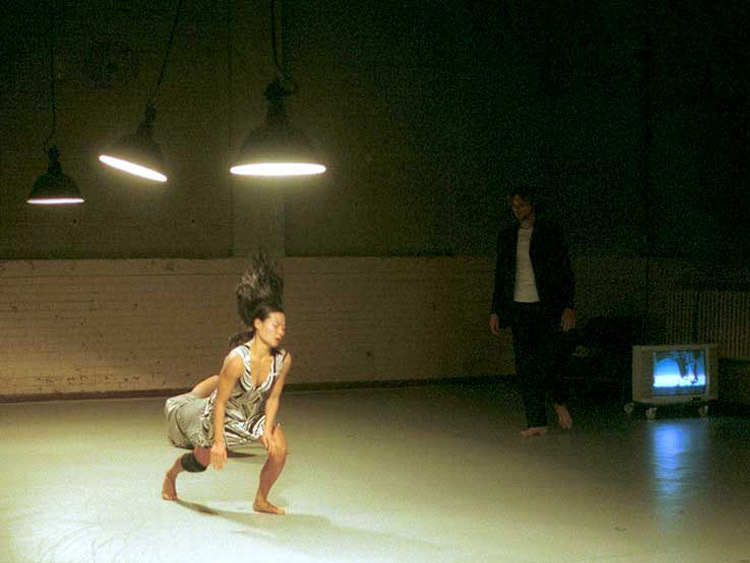
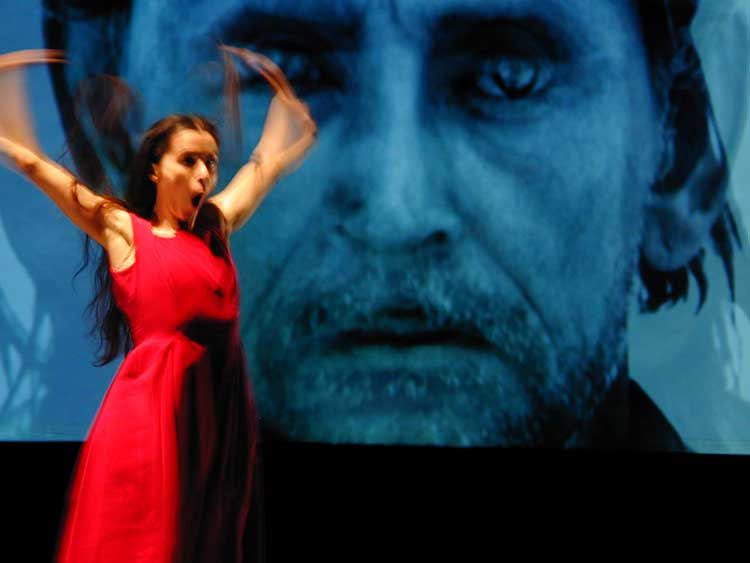
the creative process involves shared research and rehearsals. however, the subsequent two-piece evening will later separate both ensembles again. the ones will dance on stage without the others. nevertheless, the traces, the physical proximity, the memory of the others remain present and tangible through video projection. the utopian bodies confront the real ones.
the cia. gira dança is a dance ensemble founded in 2004 in natal by anderson leão and roberto morais. it is an artistic and successful social experiment with disabled and non-disabled people. their pieces break with prejudices and prior determined boundaries. all productions share an aesthetic that conveys both the special differences of the participating performers, as well as their similarities.
a cie. toula limnaios production in cooperation with cia. gira dança. supported by the senate department for culture and europe, berlin. presented by: exberliner / zitty.
»standing ovations for the fourteen dancers from Berlin and Natal/Brazil with the production team around choreographer Toula Limnaios, who in their first joint production present themselves as universal with a striking dance discourse on real and utopian body images on both sides of the Atlantic…«
article by Karin Schmidt-Feister on tanznetz.de
»we are many. …it begins with a strange doubling: Leonardo d’Aquino enters the stage in light, summery clothing, seemingly uncannily linked to a dwarf-like creature concealed beneath a fur coat. the female dancers in their translucent dresses are likewise defined against a dark counterimage. the visible and the invisible, the beautiful and the grotesque enter into an intimate union in Toula Limnaios’s new dance piece. …
when the Berliners dance, the Brazilians are visible only on video, and vice versa. they find each other only in the remarkable videos by Giacomo Corvaia, which open up imaginary spaces. yet the two parts of the piece are interlocked through mirroring and correspondences. Toula Limnaios has the Brazilians work with the same themes and images, even if the movement material differs. it is an artistic encounter on equal terms — that is what makes the evening so uplifting. … composer Ralph R. Ollertz also steers clear of Brazil clichés; his rhythmic music drives the dancers forward. …
when the Brazilians take the stage, the piece becomes more grotesque, but also more tender. … (they) captivate with their expressiveness and their hunger for dance. the disabled performers push themselves to their limits at times, yet the dance never becomes a freak show. … at the end there were standing ovations for Toula Limnaios and the dancers.«
Tagesspiegel, Kultur, Sandra Luzina, 03.06.2017.
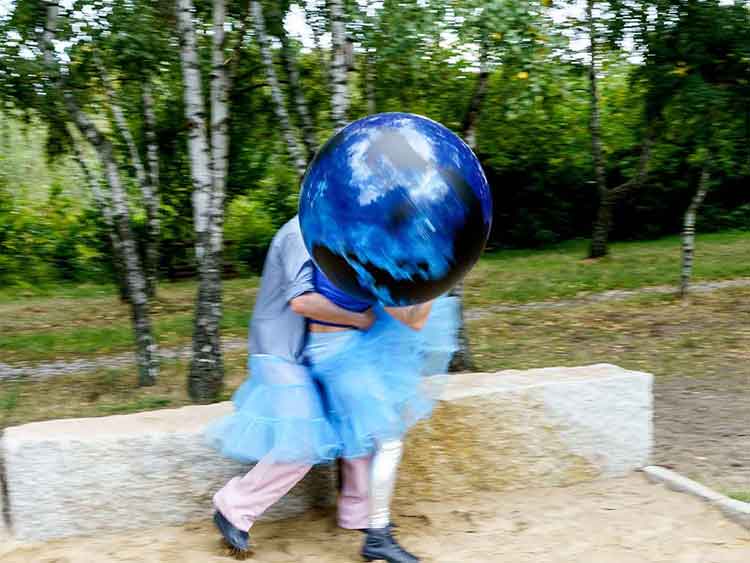 an elephant in the room
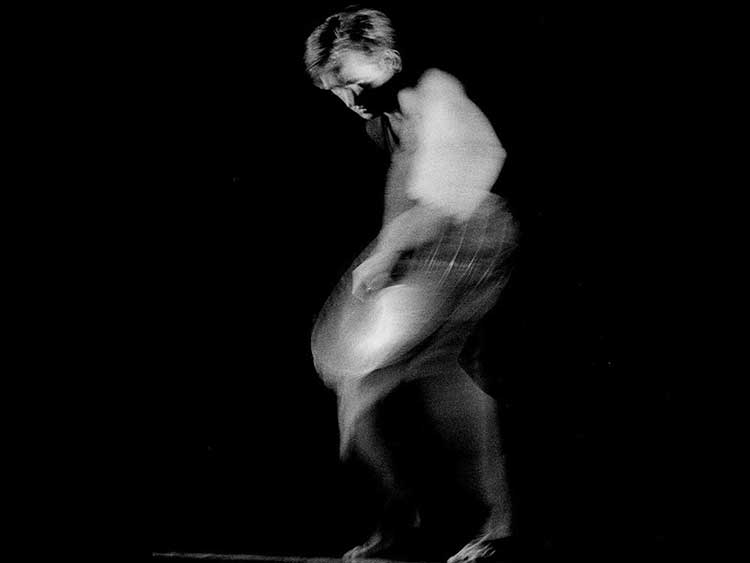 Ralf R. Ollertz & Friends – a concert
 30 years cie. toula limnaios
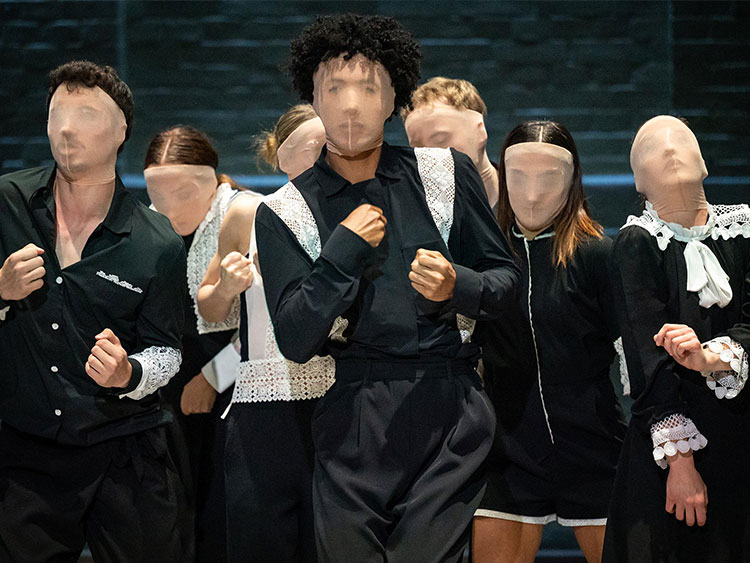 jeux
jeux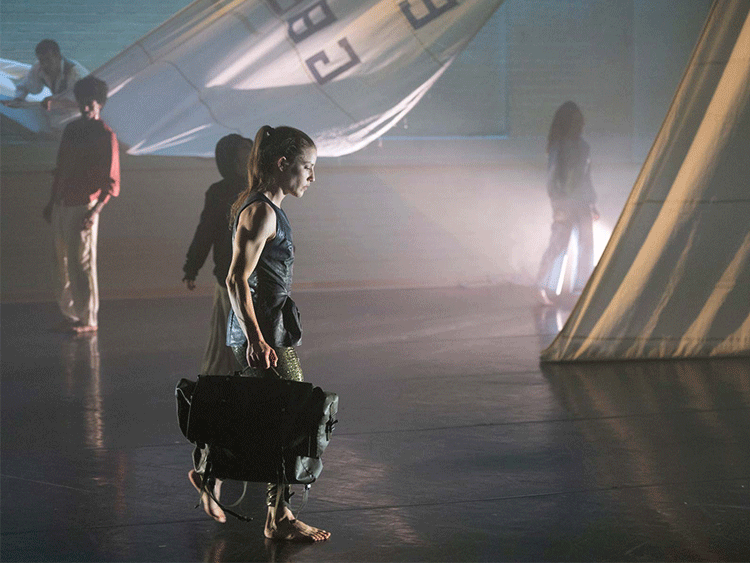 la nef des fols
 les égarés
 staubkinder
 point de vue
 clair obscur
 inmitten
 tell me a better story 2
 tell me a better story 1
 meantime
 shifted realities
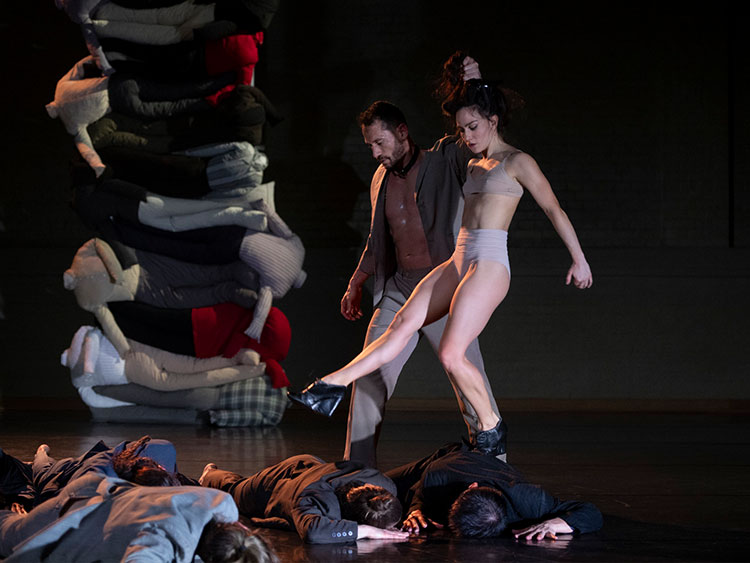 volto umano
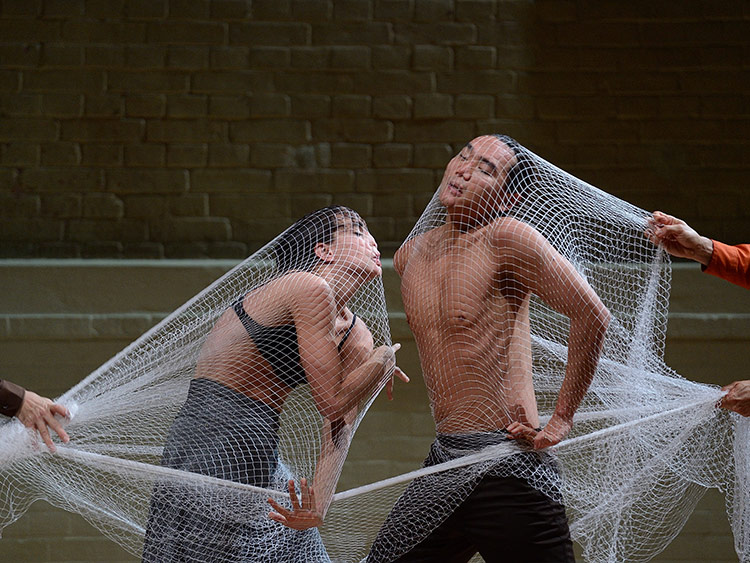 momentum
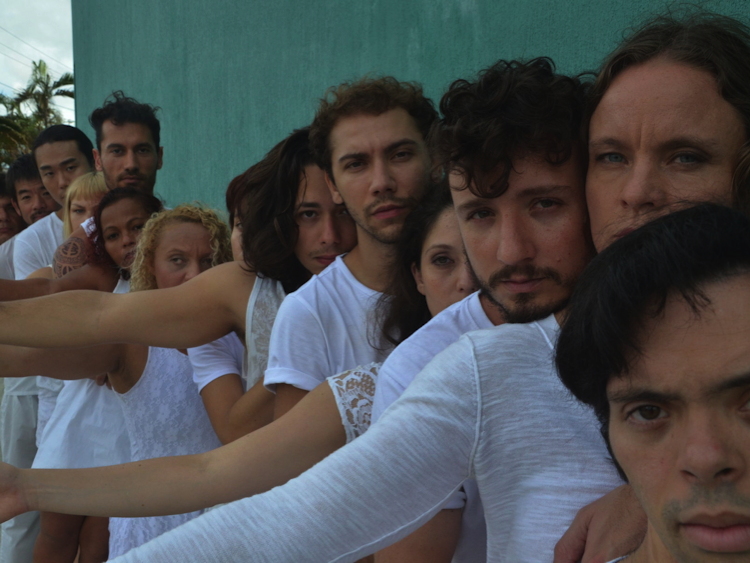 die einen, die anderendie einen, die anderen
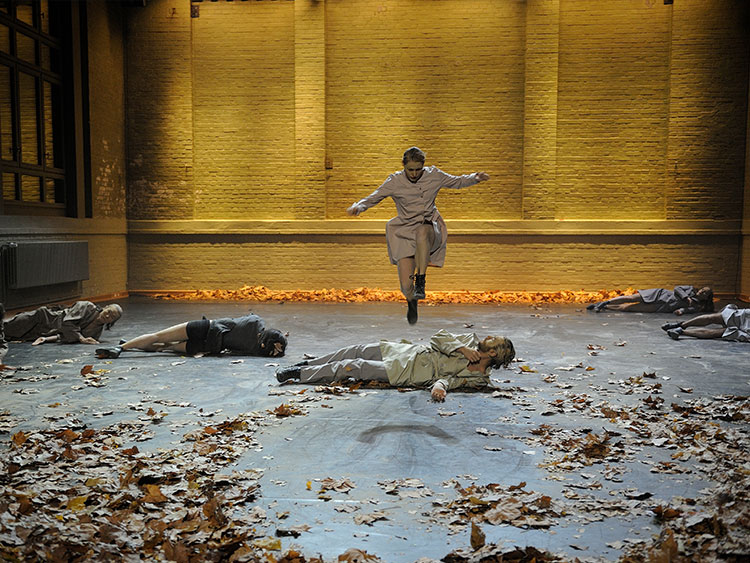 tempus fugit
 we are made
 isson – a solo for two men
 if I was real – münster
 minute papillon
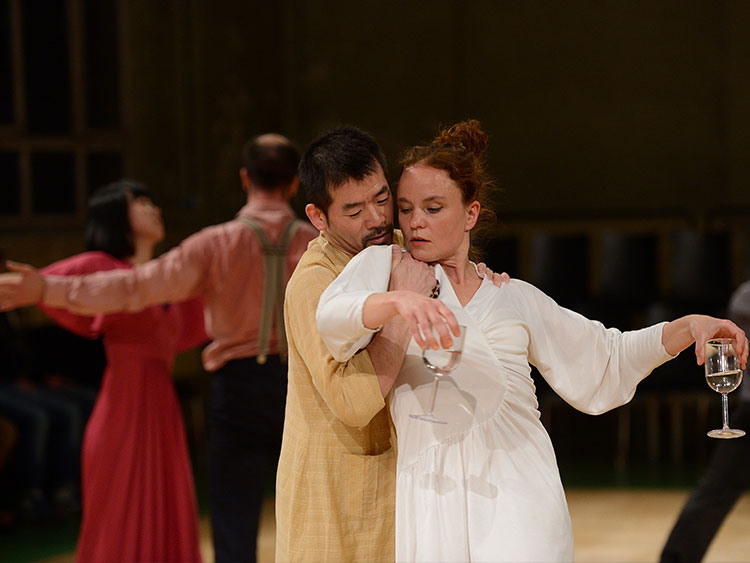 la salle
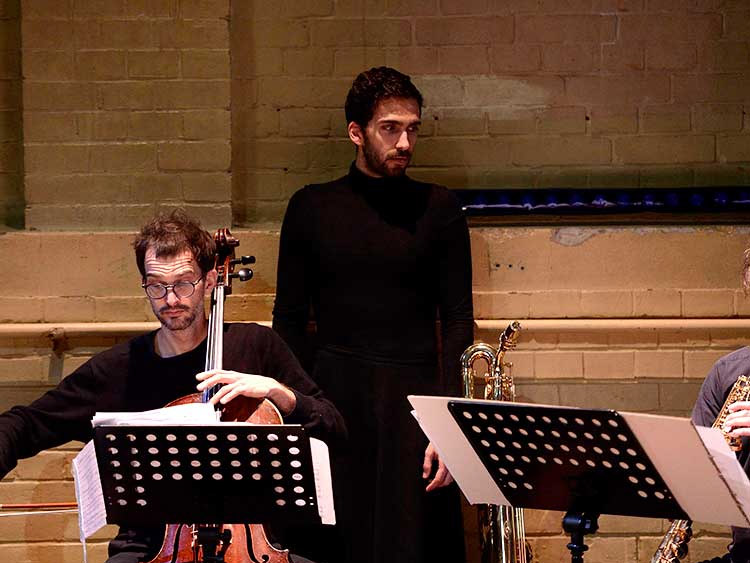 blind date
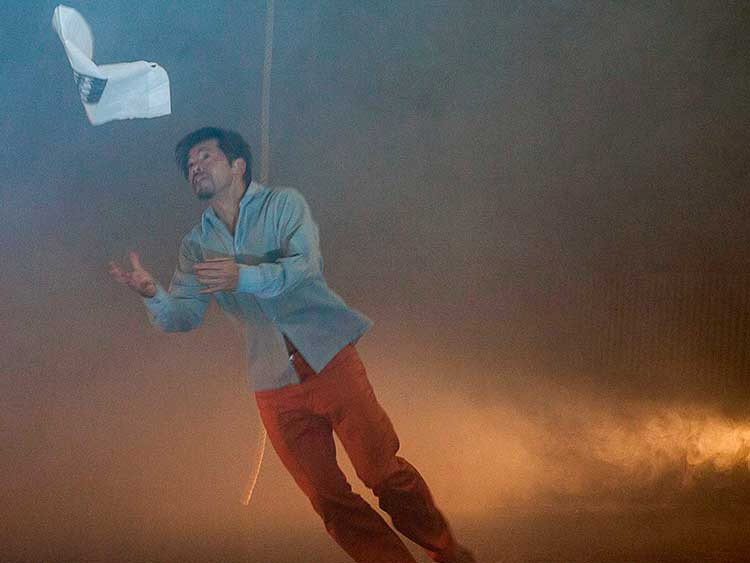 miles mysteries
 if I was real
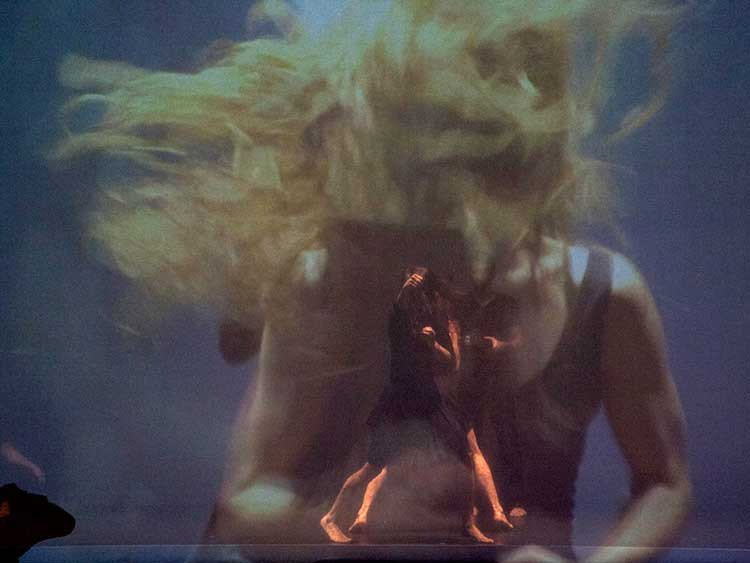 if I was real 2013
 the thing I am
 wut
wut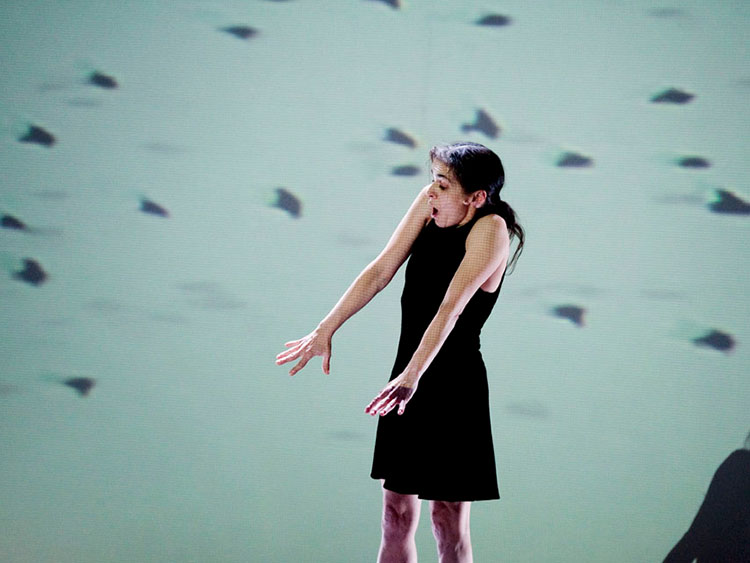 the rest of me
 anderland
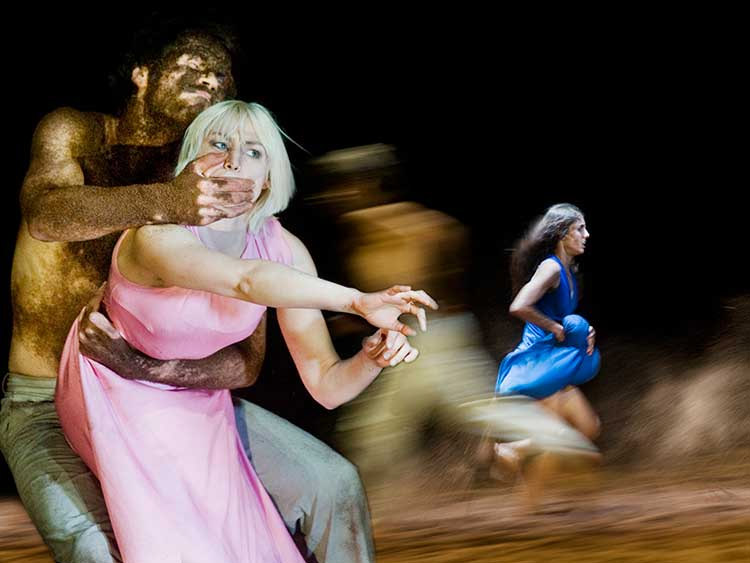 every single day
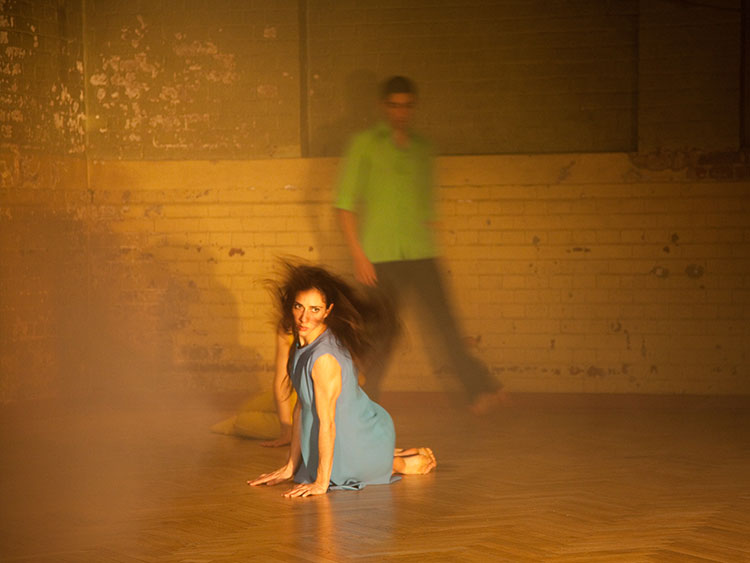 secrets perdus
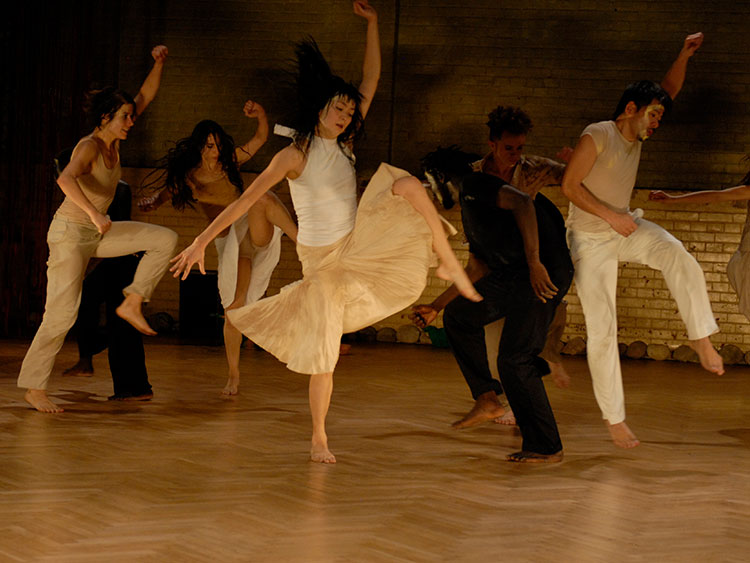 à contre corps
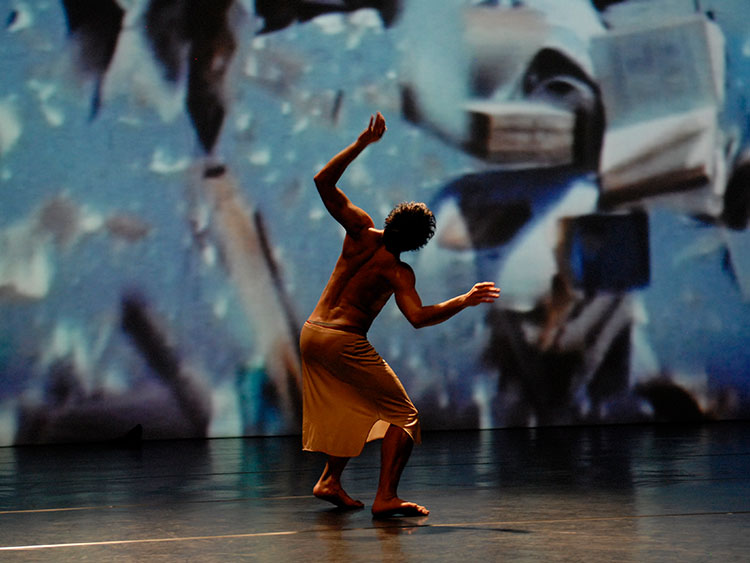 wound
wound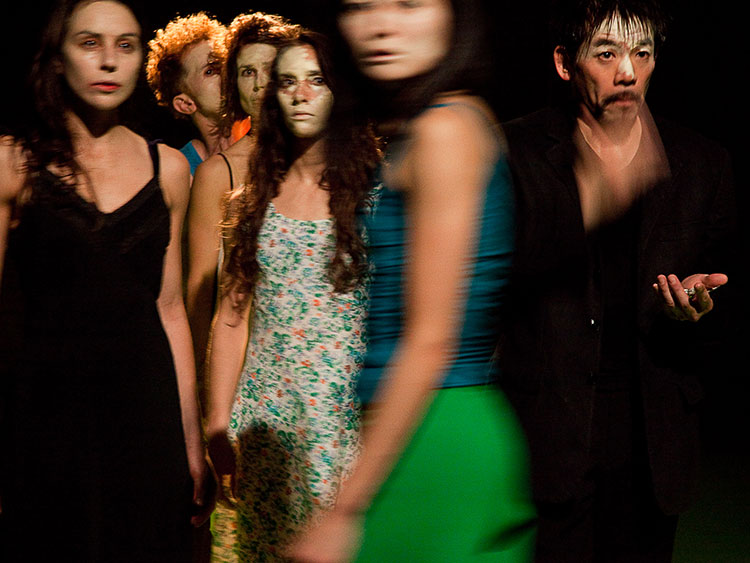 les possédés
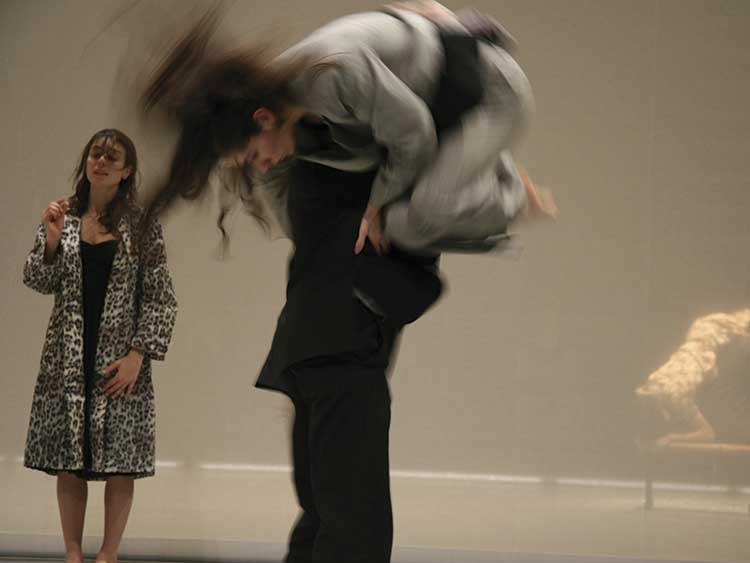 the silencers
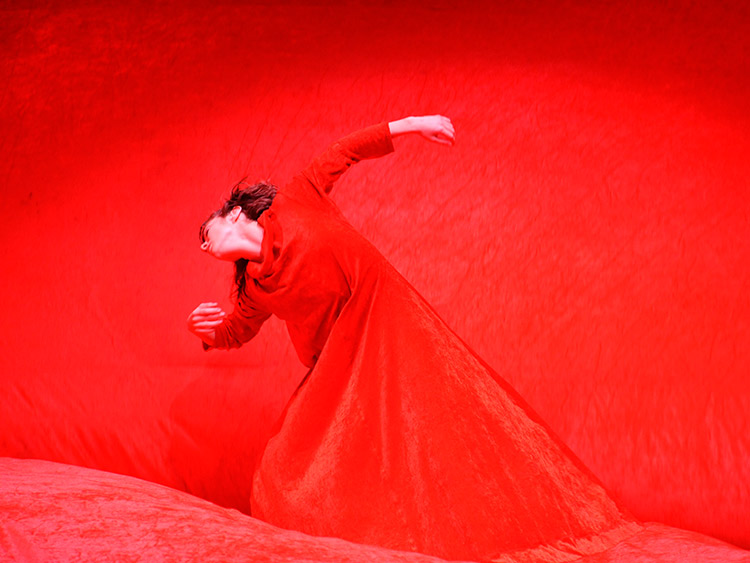 reading tosca
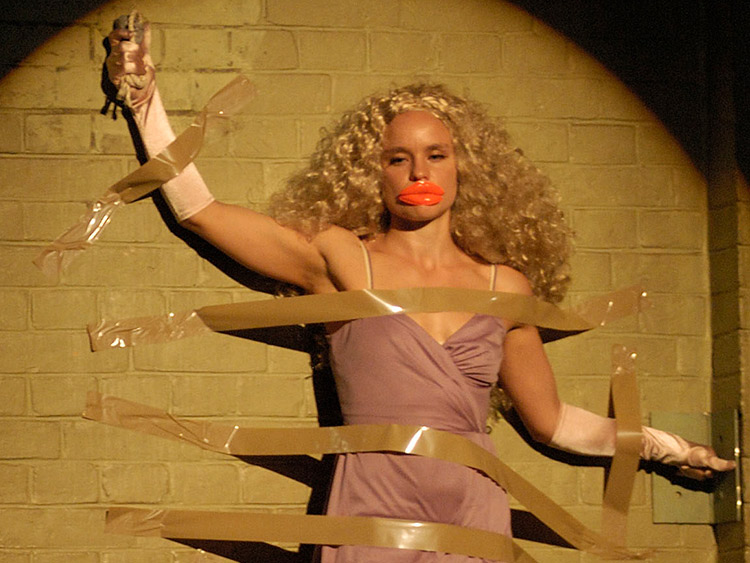 life is perfect
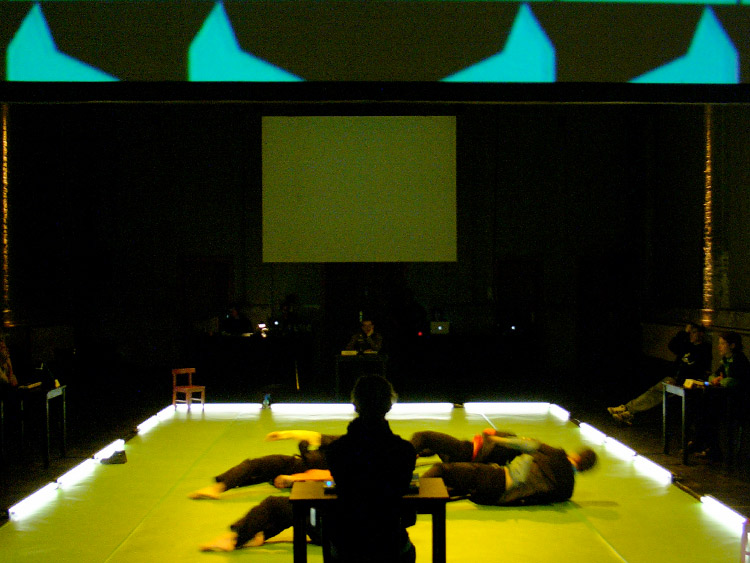 real time.compiler
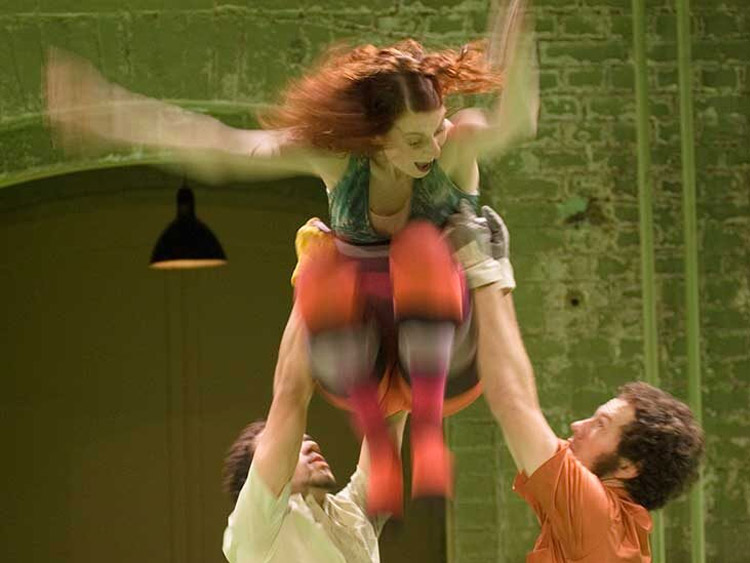 irrsinn
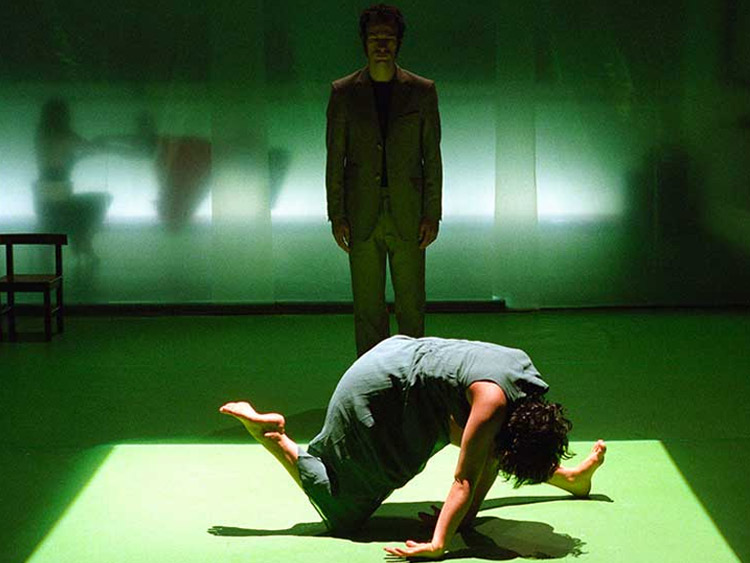 die sanfte
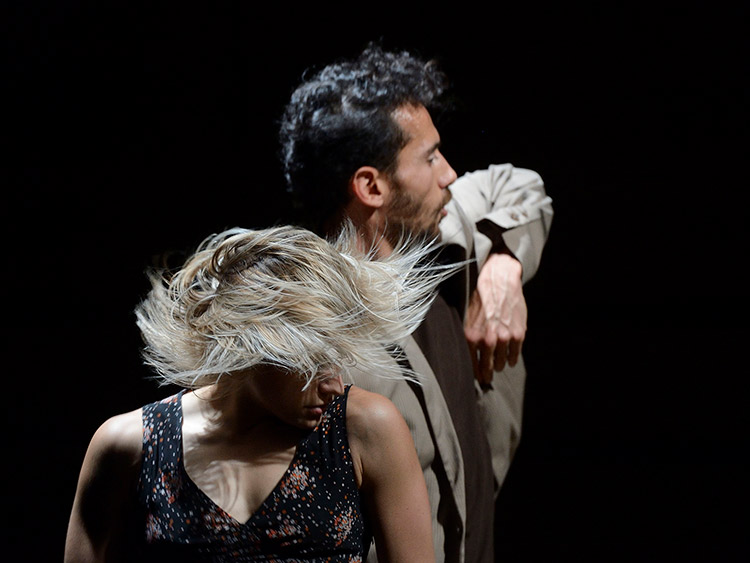 short stories
 double sens
 spuren
 better days
 here to there
 isson – a solo for two women
 drift
drift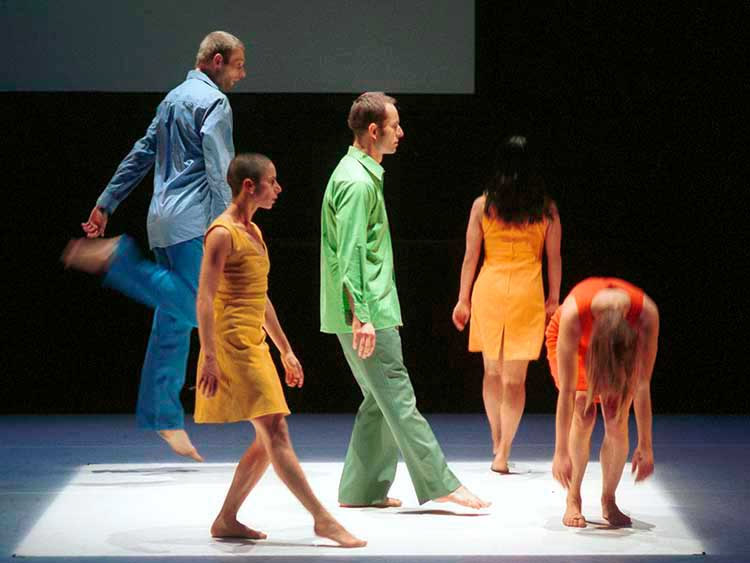 outre vie
 nichts. ich werde da sein, indem ich nicht da bin
 falten der nacht
 ysteres
 vertige
 faits d’hiver
 entrevisions
 landscapes
 le temps d’après
 chairosame
 d’un(e)s
